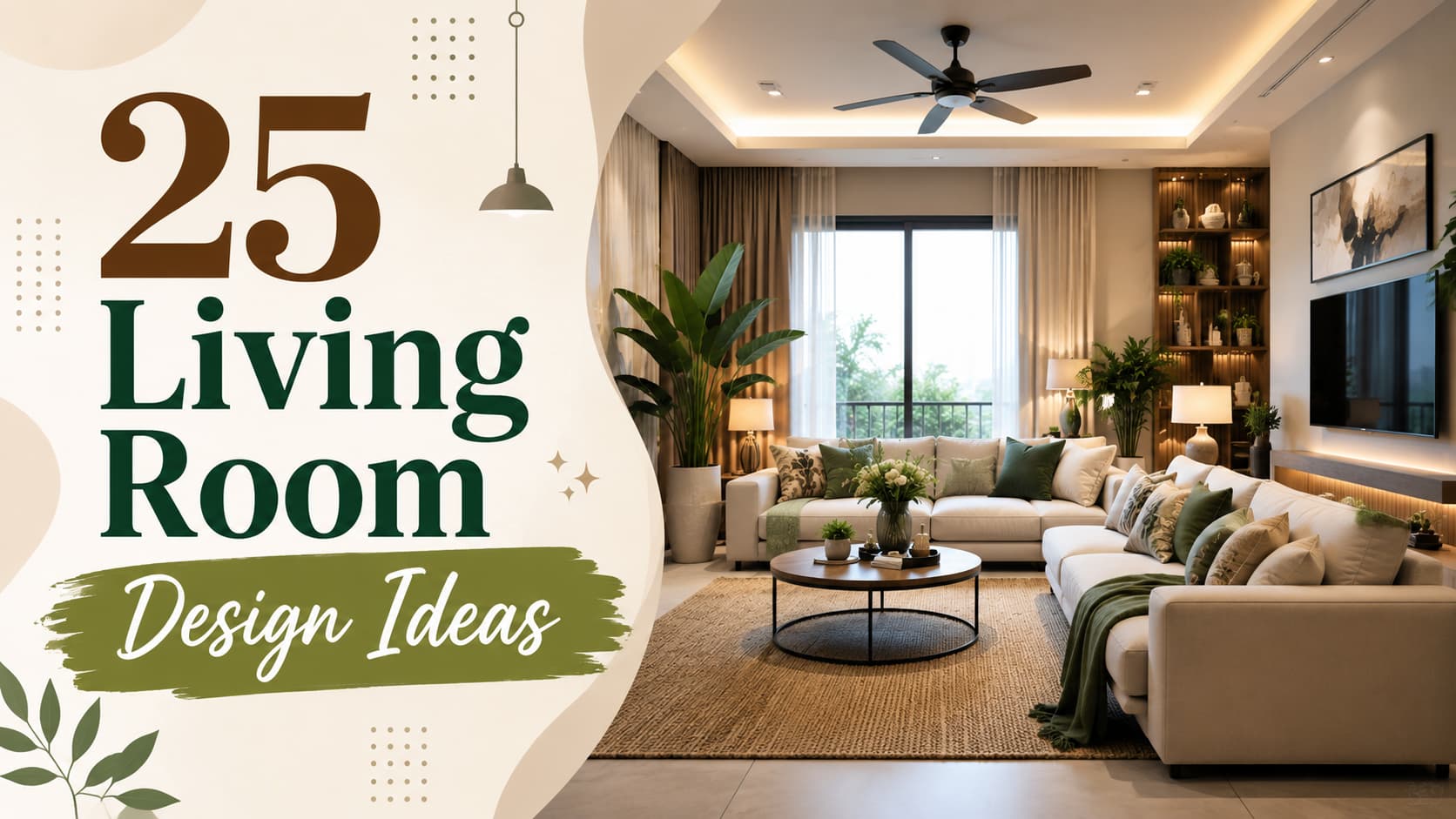
25 Living Room Design Ideas for Indian Homes
The living room is the heart of every Indian home a space where family gathers, guests are welcomed, and memories are created. Whether you're designing a cozy apartment in Gurgaon or a spacious home in Faridabad, creating the perfect living room design requires balancing aesthetics, functionality, and cultural elements that resonate with Indian sensibilities. A thoughtfully curated space reflects your personality while maximizing comfort and utility.
This comprehensive guide explores 25 living room design ideas tailored specifically for Indian homes, encompassing modern minimalism, traditional elegance, space-efficient solutions, and contemporary fusion approaches. Whether you're starting from scratch or reimagining your existing space, these ideas will inspire you to create a living room that's both beautiful and genuinely livable.
Understanding Living Room Design for Indian Homes
Designing a functional living room is important, but to achieve that, one must be aware of what makes Indian living unique. The living rooms in Indian houses tend to serve many purposes like entertainment, family get-togethers, and even office work. In order to design an efficient living room, it is essential to keep all such factors in mind along with one’s personal preference and taste.
What works well for an Indian living room design includes consideration of good lighting, ventilation, limited spaces available due to urban housing, and also the warmth that Indian households always exhibit.
Wall styling can further enhance the functionality and character of an Indian living room without taking up valuable floor space. From artwork and mirrors to shelves, panels, and decorative accents, thoughtful wall arrangements can complement the room’s furniture and lighting. For more practical inspiration, explore 30 Wall Decor Ideas to discover ways to create a balanced and welcoming living space.
25 Living Room Design Ideas for Indian Homes
1. Modern Minimalism with Straight Lines
Go for an ultra-contemporary look that involves neutral tones, geometric furniture, and open spaces. It is perfect for Indian apartments which have very little space. White walls, simple wooden furniture, and accent lighting would give an elegant and luxurious look.
Features: Minimal wall decorations, functional furniture, neutral color scheme, and effective lighting
2. Traditional Indian Design with Wooden Furniture
Opt for classical Indian design that includes elaborate wooden furniture, traditional paintings, and earthy colors. Wood carving and ornate mirrors would give authentic feel to your apartment.
Features: Wooden furniture, traditional paintings, earthy colors, and brass accessories
3. Contemporary Hybrid Design
It is a combination of traditional Indian and modern design where you would use contemporary furniture along with traditional fabrics, minimalist walls with ornate elements, and many more.
Features: Combination of furniture styles, traditional fabrics, hybrid color schemes, and mixed arts
4. Design for Small Spaces
Design your small space in such a way that you would make use of vertical storage, functional furniture, illusion of space created by mirrors, and colors.
Key Elements: Vertical shelving, modular furniture, mirrors, light colors, compact seating
5. Bohemian Haven with Warm Feelings
Create a cozy space by combining textures, warm colors, patterns, and different decor. Create a blend of vintage items along with contemporary designs and add natural elements.
Important Elements: Mixing patterns, warm colors, layering textures, vintage decor, plants
6. Urban Industrial Look with Raw Materials
Use raw materials like exposed brick, metals, concrete, and wooden elements along with contemporary furniture. The look is ideal for modern Indians who like an urban touch to their homes.
Important Elements: Exposed materials, metal fixtures, concrete elements, statement lighting
7. Luxury Modern Look
Design an extravagant home with high-quality materials, designer furniture, sophisticated color schemes, and elegant décor. It is suitable for large homes that need some classiness.
Important Elements: Designer furniture, premium materials, elegant décor, professional interior design
8. Scandi Simplicity Look
Use the concepts of Scandinavian design: light-colored woods, neutral colors, functionality, and coziness. This timeless design concept will create inviting rooms without any fuss.
Important Elements: Light woods, neutral colors, functional furniture, minimalist décor
9. Mediterranean Warmth
Add the elements of the Mediterranean into your decor such as terracotta colors, natural materials, and rustic finishes.
Important Elements: Terracotta colors, natural materials, rustic furniture, plant elements
10. Royal Indian Palace-inspired
Use luxury fabrics, intricate designs, ornate mirrors, jewel tone colors, and statement pieces to recreate Indian royalty and heritage.
Key Features: Luxurious colors, ornate details, luxurious fabrics, statement pieces
11. Nature-friendly Biophilic Design
Emphasize natural materials, vertical gardens, natural light, greenery, and earthy tones. The wellness-oriented style brings nature inside for improved mental well-being and indoor air quality.
Key Features: Multiple plants, natural light, green hues, wooden materials, water features
12. Art Deco Luxury
Use geometric patterns, metallic details, rich colors, and bold forms characteristic of Art Deco interior design. Create impressive focal points by combining classic and modern features.
Key Features: Geometric patterns, metallic details, rich colors, statement furniture
13. Casual Coastal Theme
Incorporate casual and relaxing features of coastal styles using light colors, wicker/rattan furniture, nautical accents, and an open and airy aesthetic. Create an island vibe even without the sea view.
Key Features: Light palette, wicker/rattan, nautical accents, airy aesthetic, blue hues
14. Contemporary Monochrome Scheme
Design visually impressive spaces by using varying tones of a single color including black, white, and grey shades in both large and small interiors.
Key Features: Single color palette, different tones, minimalistic accessories, statement lighting
15. Layered Traditional Modern Hybrid
Intentionally blend different periods, placing modern furniture beside traditional walls, displaying modern artwork along heritage items, and mixing color palettes.
Main Features: Furniture from different eras, eclectic artwork, hybrid colors, contrasts
16. Multi-Purpose Family Room
Create a room that will fit an active family with durable construction, versatile furniture setup, storage places, and zoning dividing one room into different spaces.
Main Features: Modulable furniture, lots of storage, durable materials, clear zones
17. Living Room as Entertainment Center
Create an area optimized for home movies and parties, using proper TV placement, cozy seats, ambient lighting, integrated sound system, and refreshment corners.
Main Features: Media integration, cozy chairs, lighting accents, proper layout
18. Relaxing Environment Design
Emphasize relaxation and rejuvenation, using soothing colors, comfy textiles, meditation room features, natural lighting, and air-purifying plants.
Main Features: Soothing colors, comfy textures, meditating place elements, plants, natural light
19. Eclectic Collectors' Space
Display one's collection and vintage finds, creating unique character of the space through décor.
Main Features: Personal collections, vintage pieces, personal artwork, different furniture
20. Classic Combination of Leather and Wood
Combine luxury leather and wood for an interior with timeless elegance that is not dependent on design period.
Elements: Leather furniture, wooden elements, neutral colors, excellent craftsmanship
21. Colorful Indian Modern Interior
Use the Indian tradition of bright colors to create a unique space using bold colors, textiles, and creative expressions.
Elements: Bold colors, decorative textiles, vibrant art pieces, confident design
22. Zen Asian Style
Apply the ideas of Japanese and Asian designs, such as clean lines, natural materials, neutral colors, and intentional spacing.
Elements: Minimalistic furniture, natural materials, neutral colors, intentional spacing
23. Hollywood Glamour Style
Create glamorous interior by using rich colors, luxurious fabrics, metal accents, dramatic lighting and furniture.
Elements: Rich colors, luxurious fabrics, metal accents, dramatic lighting, furniture
24. Rustic Farmhouse Appeal
Bring the look of the countryside to life through reclaimed wood, distressed finishes, vintage elements, natural fabrics, and warm lighting for comfortable and genuine environments.
Key Elements: Reclaimed materials, distressed finishes, vintage pieces, warm lighting
25. Tech Integration Interior Design
Integrate technology in an unobtrusive way using smart technology systems, contemporary furniture, and modern aesthetics.
Key Elements: Smart systems, unobtrusive tech, contemporary furniture
Planning Your Living Room Design
Prior to embarking on your vision, take note of the following crucial elements:
Space Assessment: You have to consider the precise dimensions of your room, taking into consideration windows, doors, architecture, and the lighting pattern. You need to be acquainted with your space to avoid possible problems.
Lifestyle needs: It is important to assess how you and your family make use of that space. Are there any areas that serve multiple purposes? Is it used for entertaining, playing, storage? Your needs will help you to find the appropriate solution.
Budget Estimation: Establish practical budgets for each piece of furniture and decoration and the whole process. The properly chosen furniture pieces acquired gradually are more likely to result in good effect than those obtained in huge volumes at once.
Color Psychology: Choose the colors according to your mood. Warm colors are comforting, cold colors are relaxing, and bright colors are energizing. Think of the impact of light on the color perception.
Implementation Tips for Success
Vision comes first through inspiration collection, followed by gradual implementation. Pieces such as sofa, flooring, and painting on the walls serve for a very long time. Decorate depending on the changing seasons and personal preferences.
Make sure you get adequate light by combining natural light with artificial light. Plan your storage to reduce clutter. Have something of yourself that makes the house yours.
Explore various colors and textures in your space. Take photos as you go along the process.
A thoughtfully planned entertainment area can also become an important part of the living room’s overall design. Choosing the right TV unit, arranging media devices neatly, and coordinating the surrounding decor can help maintain both functionality and visual balance. For more inspiration, explore 20 Modern TV Unit Design Ideas to discover practical approaches for different living room layouts and styles.
Frequently Asked Questions About Living Room Design
1. How do I choose a color scheme for my living room?
Start with a dominant color reflecting your personality and creating desired mood. Add complementary accent colors through accessories. Consider your region's natural light—warm tones work better in cooler climates, cool tones in sunny areas. Test paint samples in actual lighting conditions. Traditional Indian homes often embrace warm earth tones while contemporary spaces favor neutral palettes. Remember that colors can be changed affordably through furniture and accessories.
2. What's the ideal living room size and furniture layout?
Most living rooms function best with 150-300 square feet allowing comfortable seating, traffic flow, and focal points. Arrange furniture facing conversation areas or focal points like fireplaces or TVs. Leave pathways preventing a cramped feeling. In smaller spaces, multipurpose furniture and vertical storage maximize utility. Test arrangements using paper cutouts or furniture planning apps before purchasing pieces.
3. How do I make a small living room feel larger?
Use light colors reflecting light creating airiness, incorporate mirrors multiplying light and space perception, choose vertical storage utilizing wall space, keep furniture minimal and elevated on legs creating visual flow. Strategic lighting creates depth. Avoid heavy patterns overwhelming compact spaces. Large artwork or mirrors become focal points preventing the room from feeling empty.
4. What's the best living room flooring for Indian homes?
Options include wooden flooring adding warmth and elegance, tiles offering durability and easy maintenance, laminate providing budget-friendly alternatives, and carpets creating comfort in cooler climates. Consider traffic patterns, climate, maintenance requirements, and aesthetic preferences. Many Indian homes combine materials—tiles in high-traffic areas, rugs defining seating zones.
5. How do I incorporate traditional Indian elements in modern spaces?
Mix contemporary furniture with traditional textiles, artwork, and accessories. Combine modern walls with heritage mirrors or carved screens. Use traditional color palettes with minimalist furniture. Display traditional collectibles as focal points. This balanced approach respects cultural heritage while embracing contemporary aesthetics.
6. What lighting is essential for living rooms?
Layer three types: ambient lighting providing overall illumination, task lighting for reading or activities, and accent lighting creating focal points. Combine ceiling fixtures, wall sconces, table lamps, and floor lamps. Install dimmer switches allowing mood adjustment. Natural light remains valuable—maximize windows and skylights.
7. How do I handle cable management and technology?
Hide cables behind walls or furniture when possible. Use cable organizers bundling wires neatly. Incorporate media consoles concealing equipment. Modern smart systems integrate technology seamlessly. Plan electrical outlets strategically during renovations. Ensure adequate ventilation around electronics preventing overheating.
8. What's the best sofa for Indian living rooms?
Choose based on space, usage, and style preferences. Sectionals work well in larger rooms creating conversation areas. Smaller spaces benefit from loveseats or apartment-scale sofas. Fabric selection matters—light colors suit contemporary spaces, darker tones hide wear. Consider durability, maintenance, and family needs when selecting materials.
9. How do I create a focal point in my living room?
Focal points draw attention and anchor design. TV walls, fireplaces, statement walls, artwork, or dramatic windows can serve this purpose. Arrange furniture orienting toward focal points. Use lighting, color, or texture emphasizing chosen elements. Every room benefits from clear focal points creating visual organization.
10. Can small living room design work in Indian apartments?
Absolutely! Indian urban apartments often require creative solutions. Multipurpose furniture, vertical storage, mirrors creating space illusion, light colors, strategic lighting, and decluttering maximize small spaces effectively. Many beautiful small living rooms showcase smart planning and intentional design choices prioritizing quality over quantity.
Conclusion
Your living room’s décor shows who you are and what you represent. The goal here is to design a living room which not only matches your way of life but makes you happy every single day. There are certain features that are characteristic of an Indian house like diversity of cultures, multigenerational family, hospitality and shortage of space. Following are the 25 suggestions which will make you begin your quest to build the living room of your dreams. Develop your own vision, be gradual about your efforts and enjoy the process. Your living room of your dreams will always evolve based on your changing needs. Make use of high-quality items and give your living room your personal touch. Wherever you live whether it is Gurgaon flat or Faridabad house, this is how you will create the living room of your dreams.