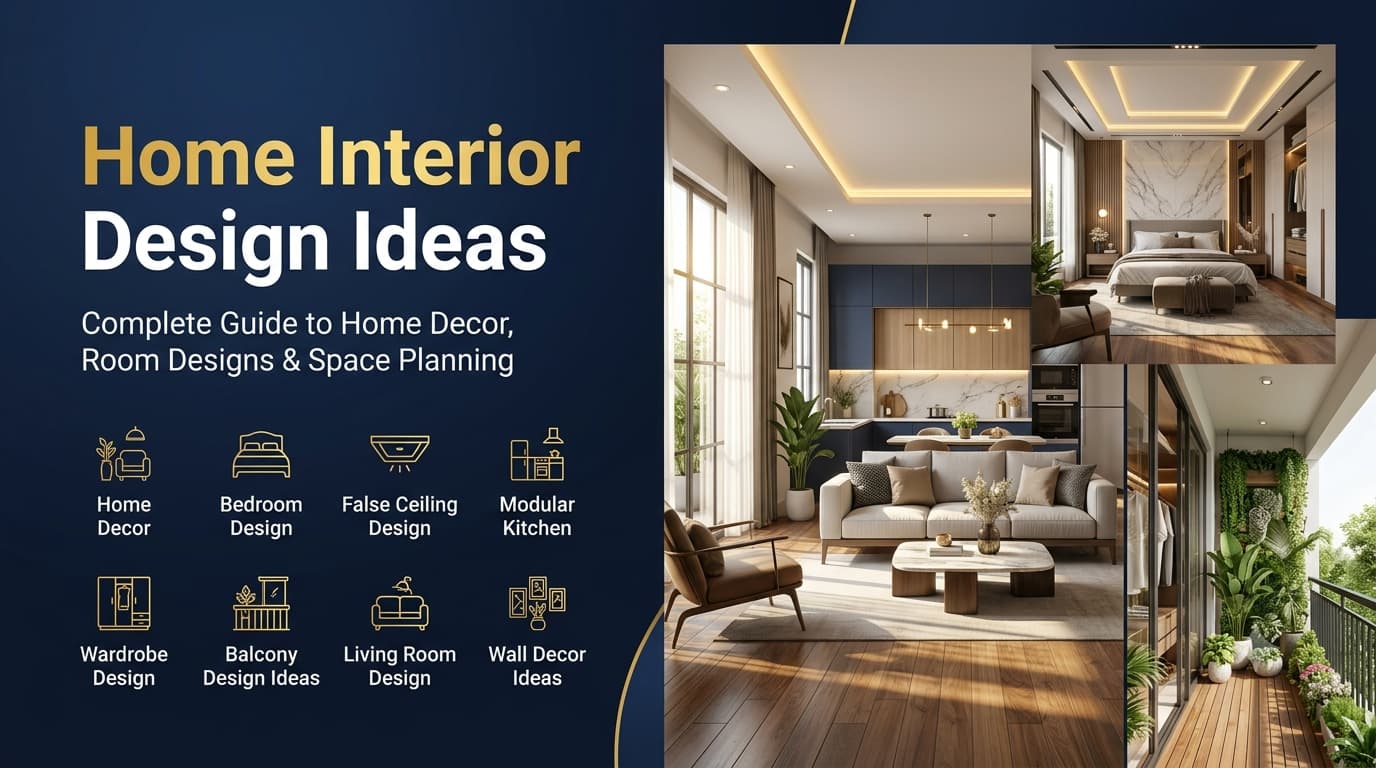
Home Interior Design Ideas
Interior designing is not about selecting nice furniture pieces and painting the walls with colors you like. Interior design involves creating a living space which is comfortable, functional, beautiful, and suited to your way of life. All of these aspects – from color palette to furniture layout and from lighting to storage solution – contribute to the look of your home. Regardless of whether you are designing an interior of a newly built home or redecorating your existing one, knowledge of basic principles of interior design will help you to make the right decision.
A good interior design reflects individual character and makes efficient use of space. The modern interior design strives to reach the perfect combination of beauty and functionality. Instead of using fads, contemporary people choose to have interiors which are timeless, easy to maintain, and flexible. Be it a cozy bedroom, elegant living room, kitchen with a modular design, or stylish balcony, each room of a house should be carefully designed. Correct choice of colors, materials, lighting, and decor elements can transform any house and create comfortable living space.
Planning is the most crucial stage prior to starting any home interior project. Knowing about your family's lifestyle, their daily habits, storage needs, and the budget you can afford will help design an interior solution that will stay relevant for many years to come. The smaller apartment requires designing a solution where every square foot counts, and the larger property allows more flexibility in the design and decorating. Adequate planning will also allow you to make fewer mistakes and save money on unnecessary redesigns in the future.
There are plenty of different interior design styles, each giving an opportunity to decorate your home with a particular style and look. There is minimalist interior design where the emphasis is on minimalistic lines and simple decoration. The Scandinavian interior focuses on the use of natural light and functionality. Contemporary style includes using modern materials and beautiful finishing solutions. Industrial interiors usually contain exposed textures and neutral colors, while traditional designs pay attention to timeless craftwork and classic decorations.
Interior lighting is another critical aspect in the creation of successful interior design of homes. The use of light from various sources such as natural light, general or ambient lighting, task lighting, and decorative lighting can make a huge difference when it comes to creating the mood of your home. In addition, the selection of durable materials, efficient appliances, and quality furniture also helps to enhance comfortability while reducing maintenance costs. Interior design is not only a means of making your house look great; it also adds practicality and value to it.
This guide gives an in-depth description of everything concerning interior design of houses including decorating tips, bedroom design, modular kitchens, wardrobes, false ceiling, balcony design, living room, and wall decoration among others.
Table of Contents
Home Decor Ideas
Expert Home Interior Design Tips
Frequently Asked Questions
Home Decor Ideas
A well-designed home decor completes your space and turns it into a comfortable and cozy home. Furniture makes the interior functional but decorative objects give character and personality to all spaces. To start with the decor scheme, you should choose the color scheme matching your interior design style and then proceed with selecting furniture, lighting fixtures, textiles, artworks, and other decor items to achieve harmony in the whole space. Soft fabrics like curtains, carpets, cushions, and throws add some textures and coziness, and plants decorate the interior with a fresh look and a better atmosphere. Mirrors can visually enlarge small rooms, and light fixtures may even serve as beautiful accents in the interior. Do not fill your interiors with decor objects; try to keep the balance between furniture and decor items. With any of the styles, from minimalistic to traditional, modern or Scandinavian, home decor helps you to create comfortable, organized, and beautiful spaces.
Read the complete guide: Home Decor Ideas
Bedroom Design Ideas
The bedroom is a private room that requires seamless integration of comfort, relaxation, and functionality. An effective design of the bedroom begins with the development of an efficient arrangement to ensure easy movement and the optimum utilization of the space. A good choice of soothing color schemes, effective lighting system, comfortable furniture, and efficient storage solutions can help to create a serene ambience for daily life. In any case, the bed remains the key feature with its supporting accessories such as bedside table, wardrobes, and proper lighting solutions. In addition, soft furnishings such as curtains, upholstered headboards, carpets, and luxury beddings can be used to add further comfort. Large-sized bedrooms may include seating nooks or workspaces while small-sized rooms need multi-functional furniture along with built-in storage. Besides this, natural light, ventilation, and proper organization can play a vital role in creating a calm and relaxing ambience.
Read the complete guide:
False Ceiling Design
A false ceiling that is designed carefully will do much more than just look good in the interior. It will create the ambience of the place, provide enhanced lighting, help to hide electrical wires and ducts for air conditioning, and give the room a stylish and modern feel. Regardless of whether you are creating a new home or remodeling an old one, selecting the appropriate type of ceiling will add a lot to the interior design. Gypsum, POP (plaster of Paris), wood, PVC, and metal – all these materials are popular, and each has its own advantages, depending on the place where you want to put it and the interior design.
Lighting is another critical aspect when it comes to Designing False Ceiling. There can be recessed LED lighting, cove lighting, pendants, and even spotlights that can be combined in order to get layered lighting. Minimalistic tray ceilings can be used in modern apartments while geometric designs and layered ceilings can make an outstanding effect in large houses. Before making the final decision regarding the design, it should be taken into consideration what the height of the ceiling is, how large the room is, how good ventilation there is, and other aspects that can affect the functionality of the space.
Read the complete guide: False Ceiling Design Idea
Modular Kitchen Design
Kitchen is one of the rooms in the house that is most used, and hence planning it properly is very important. A Modular Kitchen Design Idea is provide an effective and efficient space in which cooking can be done conveniently without compromising on the modern looks. Layouts like L-shaped, U-shaped, parallel, straight line, and Island kitchens are some common options that can be chosen according to the available space and the needs of the house. Work Triangle – linking sink, cooktop, and fridge – should be planned carefully so that there is an easy flow during the cooking process.
Material choice also plays a vital role in maintaining durability and maintenance. There are different types of material, such as marine plywood, medium density fiberboard (MDF), high density fiberboard (HDF), stainless steel, acrylic, laminate, membrane, and PU coatings, which come with their own merits depending upon the budget and requirements. The inclusion of proper lighting, chimney placement, ventilation, and excellent countertops, like quartz or granite, adds more functional elements to the kitchen. Today’s modern modular kitchens also come with the latest technology of energy saving appliances and concealed storages.
Read the complete guide: Modular Kitchen
How to Create a Balanced Home Interior
The art of having a beautiful house does not involve the use of expensive furniture and decorative pieces in all the rooms of the house. Successful interior designs strike a balance between functionality, comfort, and harmony. All rooms should have a uniformity of colour, texture, materials and other design aspects, yet they will still serve their own purposes. To begin designing your interior design, it is important that you consider how you will use each room of your house. For instance, a family with kids might need sturdy materials as well as extra storage space, whereas an entrepreneur who works from home will prefer flexibility and comfortable furniture.
One of the simplest ways of ensuring consistency of visual aspects is the use of a common color scheme in all parts of the house. This will include neutral colors like white, beige, gray, and earthy colors, while accent colors can be brought in using cushions, paintings, rugs, curtains or other decorative items.
Furniture must be chosen depending on the size of the room instead of the trend at hand. Huge furniture will give an overcrowded appearance to smaller rooms, while small furniture will create an empty impression in larger spaces. Leaving some enough room in between different pieces of furniture adds to the comfortability of the house.
The lighting design of the house is important in creating functionality and ambiance. The combination of natural light sources such as ceiling lights together with task and ambient lights enables the room to meet the needs of the users during various times of the day. Using mirrors to reflect light into compact spaces will provide a brighter environment.
Other aspects to consider in balancing the interiors are storage designs. Some of the ways include having built-in wardrobes, modular cabinets, hidden storage seats, under bed spaces, and multipurpose furniture which makes the house look neat and organized.
Naturally occurring materials and greenery are the last things to consider in making the interior complete. Plants, wood finishing, natural stones, fabrics, and textured decoration add more to the beauty of the home.
Finally, it should not be forgotten that it is unnecessary to overfill spaces with accessories just to comply with trends. Emptiness is one of the elements of design which gives opportunity to emphasize furniture, paintings, and architectural elements. Interior planning should be done in such a way that the result will combine quality and quantity, meaning that each of the elements will make a contribution into appearance and functionality of the room. Using planning, colours, layouts, lighting, storage solutions, and decor, it is possible to create lasting interiors.
Wardrobe Design Ideas
A good Wardrobe Design Idea is not only a storage facility but it also has a very significant part to play in organising your bedroom and making it look good. Contemporary wardrobes are not only stylish but have some effective storage facilities that make best use of the space that is available and match the decor of the interiors. Some of the things that need to be considered when choosing a wardrobe are the size of the room, the storage needs, the height of the ceiling and its frequency of use. Sliding wardrobes are great for small bedrooms since they need little clearance while hinged wardrobes give access to all sections.
The selection of materials will have a role in the lifespan and the ease of upkeep as well. Engineered timber, ply, MDF, HDF, glass, acrylic, laminate, and veneer finishes are some examples which give different aesthetics and durability. On the inside side, a planned wardrobe will comprise hanging spaces, adjustable shelves, drawers, shoes racks, pull out baskets, jewelry organisers, and storage places for out-of-season clothing. Mirrored wardrobe doors create a high-class look apart from making smaller rooms appear bigger by reflecting the natural light. LED lights, soft close mechanisms, and hidden handles are other elements which make the use convenient while retaining the modern look. The colors chosen need to match the overall theme of the bedroom.
Read the complete guide: Wardrobe Design Idea
Balcony Design Ideas
The Balcony Decor Ideas is not seen as just the outside portion of the house. It can actually turn out to be a relaxing oasis in which you can read books, garden or have fun with your family. No matter how small the balcony may be, with proper planning it can help you connect the inside of your home with the outside, improving the quality of your life. Small balconies can be decorated using folding furniture, wall planters, vertical gardens, built in benches to make use of all the available space. Big balconies can accommodate outdoor dining areas, lounging places, swings or even landscape decoration.
Use of materials which can withstand bad weather conditions will increase the durability of the balcony. Some of these materials include outdoor flooring, waterproof furniture, artificial grass, ceramic tiles, planters and many more. Lighting, especially ambient lighting using LED strips, lanterns, pendant lights and solar powered lights add a warm touch to the evening of your balcony. Privacy screens, bamboo panels, pergola and partitions increase your comfort without interfering with the natural breeze on your balcony. Flowering plants, herbs and succulents or even vertical gardens will enhance your balcony ambiance.
Read the complete guide: Balcony Design Ideas
Common Home Interior Design Mistakes to Avoid
Expensive furniture and accessories will never make your interior look amazing if there is no proper design concept. The majority of people care about the visual aspect of the room but completely neglect its functionality, making homes aesthetically pleasing but not suitable for daily needs. You can prevent yourself from making some of the most common mistakes of interior design in order to avoid extra costs.
The first one is buying furniture without measuring the size of your rooms. Large sofas, tables, and wardrobes can make any space overcrowded and uncomfortable. It is just the same situation with furniture that is too small for spacious rooms and makes the interiors look imbalanced. Always have a floor plan ready when buying furniture for your rooms.
It is also necessary to avoid using only ceiling lights as it is almost impossible to illuminate the entire space with them. It is possible to achieve a good atmosphere with the help of ambient, task, and accent lighting. There are various kinds of additional lights that can be used in your interior like floor lights, pendant, bedside, and under cabinet lights.
Disregarding storage needs is yet another expensive mistake. There are many people who don’t realize how much storage they will need for clothes, cooking supplies, books, seasonal items, and other things they need in their homes. Built-in closets, modular cabinetry, multipurpose furniture, secret storage spaces, and vertical shelves can be designed in order to keep a house tidy in the future.
Choosing fashionable colors without paying attention to their longevity can make you regret later. Colors that look impressive at first sight can later seem to be too bright for a person’s home. The best way is to create a neutral background with the help of classical colors and add bright accents in form of cushions, pictures, rugs, or other decorative items that can be replaced easily.
Overdecoration is one more common mistake made by many people. Decorating all walls with pictures and filling all shelves with decorative items doesn’t make your home interior impressive; on the contrary, it makes it crowded. A well-chosen set of decorations will always make a greater impression than a huge number of them. Empty spaces should be perceived as valuable elements of design, which help furniture to highlight.
In addition, many homeowners neglect ventilation and natural light sources when designing interior spaces. Big furniture pieces and curtains can make it harder for air and light to get into the room and make it look darker and less welcoming. Natural light does not only help to create an atmosphere of comfort but also decreases the energy bills during daytime.
At last, paying too much attention to aesthetics and forgetting about functionality is another mistake that can lead to dissatisfaction in the future. An ideal interior must match your way of living and needs. For example, if there are children at home, you should choose tough materials and stains-resistant textiles, and if you work at home, it would be nice to have a workspace.
A good house is one which combines beauty, functionality, comfort, and long-term usage instead of sticking to fleeting interior design tendencies.
Living Room Design
The living room design ideas are always called the heart of the house as it forms the center of family activities and entertainment. The right design of the living room would be a great combination of comfort, practicality, and aesthetics. First of all, one needs to create an effective plan of arrangement that would give the freedom of movement and use the maximum amount of the space in an optimal way. It is very important to arrange the sofa, the coffee table, the TV set, the accent chairs, and the storage furniture so as not to create the closed space but stimulate communication.
Choosing color will be essential in determining the nature of the room. Colors such as white, beige, grey, and earthy colors will provide a timeless background to the room, and accents can be brought into the living room in the form of cushions, rugs, paintings, and other decorative items. Lighting should be designed with the use of ceiling lights, floor lights, wall-mounted lights, and natural light to bring about varying moods in the living room during the day. The use of rugs in the living room will define the sitting areas, and plants, bookcases, and paintings will bring warmth to the living room.
Read the complete guide: Living Room Design
Wall Decor Ideas
Walls Decoration Ideas offer a great chance to unleash your creativity and personalize the interiors of your house. Apart from having large white spaces on the walls, wall decorations can help bring life into the space by adding color, texture, and depth to the whole interior scheme of things. The most common way to do so is by designing an accent wall through texturized painting, wallpapering, wooden panels, stonewall cladding, or molding decorations. Gallery walls consisting of photographs of family members or vacations and artwork can really personalize the interior space.
Mirrors are also a great addition to any wall decorations, particularly when dealing with small houses. Mirrors reflect light into the room and create a perception of more spacious areas, giving a luxurious touch to both modern and classic designs. Wall-mounted shelves are useful for showing off collections of books, houseplants, sculptures, and other objects. In addition, metal wall art, macramé wall hangings, clocks, ceramic objects, and handmade décor items contribute to enhancing plain walls through their texture and shape. It is crucial to choose the right wall décor that matches the colors of your room and its furniture. You can decorate only one or two feature walls instead of all.
Read the complete guide: Wall Decor Ideas
Home Interior Design Trends 2026
Design of the interior space at home keeps changing as people aim to get a comfortable, sustainable, technologically advanced, and beautiful place to live. Trends of interior design that will emerge in 2026 will be less focused on fashion and more on building a healthy and personalised interior. It means that there is no longer any need for strict themes since people try to find the best way to combine various design trends in their homes.
First of all, one can see how popular the minimalist interior with character remains. In contrast to the minimalist design with its boring colour schemes and cold environment, the current trend is about combining the beauty of minimalistic interior design with wooden finishes, fabrics, earthy colours, and other natural materials. Now, beige, warm white, taupe, olive green, terracotta, and grey have become the most popular colours.
Another very popular trend nowadays is biophilic design. People strive to connect with nature in their houses and apartments as much as possible. It can be achieved by installing big windows, indoor and vertical gardens, natural stone, wooden furniture, linen fabrics, and improved natural ventilation.
Integration of technology in the interiors is another trend, which involves use of advanced features in the construction of homes like voice-controlled lights, automatic curtains, intelligent thermostats, security systems and appliances. However, the trend emphasizes that all these features should be incorporated without compromising the designs of the interiors.
Flexibility in the interior designs is another trend that has emerged recently, owing to the current situation where people are working remotely. This trend involves designing flexible living rooms where small work areas can be created, bedrooms with spaces for studying and dining areas where different activities can be conducted during the day. Furniture like foldable furniture and partitions, modular seats and others ensure flexibility in the interior design.
Environmentally friendly materials and items are increasingly used when designing the interior spaces. Items such as eco-friendly paint, bamboo and other natural fiber-based materials, reclaimed materials and energy efficient lights are chosen by environmental conscious home buyers since they increase durability of the items, reduce maintenance cost and eliminate wastage.
Current design trends in furniture are shifting towards soft edges and organic designs. Curved sofas, arched coffee tables, arched mirrors, rounded lamps, and furniture designs are creating a softer image that will allow rooms to look more soothing and inviting. This type of furniture will perfectly suit minimalist interior design and neutral colors.
Storage is currently one of the major elements of modern interior design. Hidden storage systems, built-in closets, wall-to-wall cabinets, underbed drawers, and custom-made modular furniture ensure that interior spaces remain neat and organized while still remaining functional. Cleanliness is not just aesthetically pleasing but also makes daily life more comfortable.
Layered lighting is one of the current trends in modern lighting design. In order to achieve layered lighting design, ceiling lights are supplemented by ambient, task, and accent lighting as well as pendant lighting, LED lighting, and wall sconces.
Furthermore, people are paying more attention to making things unique instead of replicating showrooms. Personalized artwork, photos of family members, travel souvenirs, locally made furniture, and custom-designed elements are used in order to make houses unique and authentic. Instead of adhering to all fashion trends, good interior designs manage to integrate time-tested interior design techniques and some new ones depending on the needs of their owners.
In conclusion, the most effective interior design trends should be not only fashionable but also comfortable, sustainable and beautiful for many years to come. Planning, high-quality material, efficiency and personalization will play a bigger role in interior design than any fashion trend can.
Home Interior Planning Checklist
Creating a beautiful house starts much earlier than selecting furniture or wall colors. Careful planning will allow you to have interior that will not only be attractive but also functional, comfortable and appropriate for your lifestyle. Using a structured checklist will ensure that all rooms are equally considered and minimize the possibility of making expensive errors when implementing your plan. Whether you are creating an entirely new house or renovating the old one, using a systematic process will help you to prioritize things and make efficient use of your budget.
Before you finalize the design of your house, think about its space, your family's activities and the amount of storage space you need. Think about the function of each room and consider if it needs to perform additional function like an office, workroom or entertaining space. Picking the same interior style for your house will keep the visual harmony of the interior. After finalizing the layout of the house, concentrate on lighting, ventilation, furniture size, storage plans, electrical points and material choice.
Below is a room-wise planning checklist that can simplify the entire design process.
Bedroom Planning Checklist
Measure the room before purchasing furniture.
Choose the bed size according to the available space.
Plan wardrobe placement for maximum accessibility.
Ensure adequate natural lighting and ventilation.
Include bedside lighting for reading and relaxation.
Add sufficient storage for seasonal clothing and accessories.
Select calming colour palettes that encourage restful sleep.
Keep enough circulation space around the bed.
Living Room Planning Checklist
Plan sofa placement based on the room layout.
Position the TV Unit Design at a comfortable viewing distance.
Maintain easy movement between furniture pieces.
Layer lighting using ceiling lights, floor lamps, and accent lighting.
Choose rugs that clearly define the seating area.
Include storage for books, media devices, and accessories.
Add indoor plants to create a welcoming atmosphere.
Avoid overcrowding the room with excessive decorative items.
Modular Kitchen Planning Checklist
Select the most suitable kitchen layout for your available space.
Follow the kitchen work triangle principle for better efficiency.
Choose durable countertop materials that are easy to maintain.
Install adequate task lighting above work surfaces.
Include pull-out storage units and corner organisers.
Ensure proper ventilation and chimney installation.
Allocate dedicated storage for groceries and kitchen appliances.
Plan sufficient electrical sockets before installation begins.
Balcony Planning Checklist
Select weather-resistant flooring materials.
Use foldable or compact outdoor furniture.
Install suitable outdoor lighting for evening use.
Add vertical gardens to maximise greenery.
Ensure proper drainage for planters.
Create privacy using screens or decorative partitions.
Leave adequate walking space.
Choose low-maintenance plants whenever possible.
Wardrobe Planning Checklist
Measure the ceiling height before finalising the wardrobe design.
Plan hanging, shelving, and drawer sections separately.
Include dedicated shoe storage and accessory organisers.
Consider sliding shutters for compact bedrooms.
Install soft-close hardware for long-term durability.
Add mirrors if the bedroom requires visual expansion.
Use moisture-resistant materials wherever necessary.
Keep frequently used items within easy reach.
Expert Tips Before Starting Your Home Interior Project
The success of a home interior project is also contingent upon proper planning as much as creative design. While many people get carried away with the idea of picking colours and furniture, they forget that there are many other decisions that are necessary for ensuring comfortability and easier maintenance of the home in the long run. Proper planning and preparation will save you from additional costs, delay and re-design in the middle of your project.
It is important to make a realistic budget prior to the purchase of any materials and the employment of professionals. Budgets should be made separately for civil works, furniture, lighting, electrical appliances, decoration, and appliances and some money should be saved for emergencies (about 10 to 15 percent).
While keeping up with modern trends, one should remember that the use of durable materials is more important. The floor should be durable; plywood and hardware should be of good quality; waterproofing and paint also matter. Energy-efficient lighting and water conservation systems are also important.
Before starting a project with a designer or contractor, look at past projects and references and set a schedule that makes sense for the job. Good drawings, detailed specification and cost estimation will help prevent problems when the execution phase starts. Frequent site visits are always helpful.
The electrical and plumbing schemes should be finalized prior to commencing any civil work. Ensure there are enough electric sockets for your appliances, entertainment system, working space and charging space. The same goes for kitchen and bathroom plumbing so that any future repair can be done easily without a lot of civil work.
Good storage solutions are equally important in maintaining organized interiors and minimizing the mess. Some solutions could be wardrobes, loft storage solutions, modular cabinets, concealed shelves and multi-purpose furniture. Storage solution should always be thought out at the design stage.
Last but not least, keep in mind that classic designs will most likely endure fashion trends that change quickly. Neutrally-colored schemes, good workmanship, adjustable furniture, and efficient layouts make up an interior that can be enjoyed for many years to come, and personal elements, such as artwork, textiles, greenery, and decorative objects, may always be replaced later on.
Good planning of your home interior is an investment into the quality of your life. Through careful budget planning, good materials, practical layout, good storage possibilities, and skilled work, one can achieve an interior that will remain beautiful and functional for years to come.
Conclusion
Creating a nice house interior does not mean keeping up with all design trends or buying the most costly furniture. Creating an ideal interior means making your living space reflect your style while becoming more comfortable, well-organised and practical for daily use. All the rooms from the bedroom to kitchen and from the balcony to living room should be planned with its purpose in mind.
In this guide, you have learned many of the key factors of home interior design, which include such elements as home decor, bedroom interior design, false ceiling interior design, modular kitchen, wardrobes, balcony interior design, living room and wall decoration. You have seen different planning checklists and advice from experts as well as the latest interior design trends, which may help you to plan and design your own comfortable interior.
Planning is the foundation of any good home interior design whether it is the interior of a small flat or large villa. Pay attention to the choice of high-quality materials, efficient storage systems, good lighting, rational layouts and correct use of colour in order to create an attractive and comfortable interior for many years to come.
As your design journey progresses, remember that every room contributes to the overall character of your home. Small improvements, when planned carefully, can have a significant impact on both functionality and aesthetics. By combining creativity with practical decision-making, you can create a home that not only looks beautiful but also enhances everyday living.
Frequently Asked Questions
1. What is home interior design?
Home interior design is the process of planning and decorating indoor spaces to improve their appearance, comfort, functionality, and usability. It includes space planning, furniture selection, colour schemes, lighting, storage, and decorative elements that work together to create a balanced living environment.
2. How do I start designing my home interiors?
Begin by identifying your lifestyle needs, setting a realistic budget, measuring each room, and selecting an interior design style. Planning the layout, storage, lighting, and furniture before purchasing materials helps avoid unnecessary expenses and design mistakes.
3. Which interior design style is best for modern homes?
There is no single best style, as it depends on personal preferences. However, modern, contemporary, Scandinavian, minimalist, and Japandi interiors are among the most popular choices because they combine functionality with timeless aesthetics.
4. How can I decorate a small home to make it look spacious?
Use light colour palettes, multifunctional furniture, mirrors, vertical storage, and adequate natural lighting. Keeping the interiors clutter-free and choosing furniture that fits the available space also helps create a more open and spacious appearance.
5. Which modular kitchen layout is most efficient?
L-shaped kitchens are ideal for most homes because they offer an efficient work triangle and maximise available space. U-shaped, parallel, straight, and island kitchens are also excellent choices depending on the size and layout of the room.
6. Which false ceiling material is best?
Gypsum ceilings are widely preferred for their smooth finish and quick installation. POP ceilings allow customised designs, while wooden and PVC ceilings are suitable for specific interior styles and moisture-prone areas.
7. How do I choose the right wardrobe design?
Consider your room size, storage requirements, ceiling height, and available space. Sliding wardrobes work well in compact bedrooms, while walk-in wardrobes are ideal for larger homes. Internal storage planning is equally important for better organisation.
8. What are the latest home decor trends?
Current trends include neutral colour palettes, biophilic design, sustainable materials, smart home technology, layered lighting, curved furniture, hidden storage, and personalised decorative elements.
9. How important is lighting in interior design?
Lighting is one of the most important aspects of interior design because it influences both functionality and ambience. A combination of ambient, task, and accent lighting creates comfortable spaces suitable for different activities throughout the day.
10. What should I consider before renovating my home?
Plan your budget, finalise the layout, choose durable materials, verify contractor experience, prepare electrical and plumbing layouts, and ensure adequate storage before beginning the renovation.
11. How can I make my home interiors more sustainable?
Choose eco-friendly materials, energy-efficient lighting, water-saving fixtures, recycled furniture, natural fabrics, and durable finishes that require less maintenance and have a longer lifespan.
12. How often should I update my home interiors?
Major renovations are usually required only after several years. However, you can refresh your interiors periodically by changing soft furnishings, artwork, lighting fixtures, indoor plants, or decorative accessories without making structural changes.